
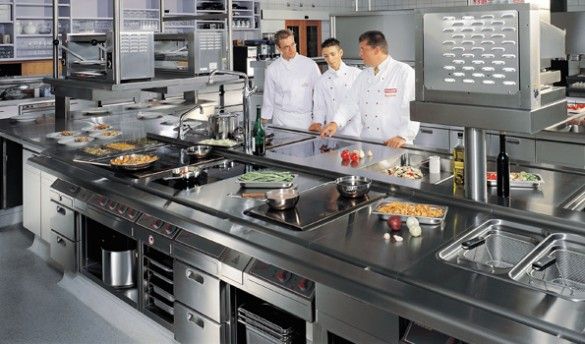
If a restaurant is a theater, the commercial kitchen is the backstage. It’s where the magic happens, but it’s also a high-intensity, industrial environment designed for one thing: precision at scale.
Whether you’re a culinary student, a food truck owner, or a curious diner, understanding what separates a “commercial” kitchen from the one in your home is the first step toward professional success. At Wilprep commercial refrigerator, we live and breathe these spaces—so let’s pull back the curtain on what makes a kitchen truly “commercial.”
Table of Contents
1. Function Over Form: The Industrial Design
While a home kitchen is designed for aesthetics and comfort, a commercial kitchen is designed for throughput. Every square inch is calculated to minimize movement and maximize speed.
- Stainless Steel Everywhere: In a professional kitchen, porous surfaces are the enemy. Commercial kitchens use 304 or 430-grade stainless steel for tables, sinks, and appliance exteriors because it’s non-reactive, heat-resistant, and—most importantly—easy to sanitize.
- Zoning for Flow: A professional layout is divided into specialized “stations”:
- Prep Station: Where the chopping and marinating happen.
- Hot Line: The heart of the kitchen, housing ranges, fryers, and grills.
- Plating/Pass: Where the finished food meets the servers.
- Dish Pit: A high-volume cleaning zone far from the cooking line to prevent cross-contamination.
2. Heavy-Duty Hardware
You won’t find consumer-grade blenders or “all-in-one” ovens here. Commercial kitchens use specialized, high-capacity equipment built to run 12 to 18 hours a day without failing.
- Commercial Refrigeration: Unlike home fridges, units like Wilprep’s reach-ins are designed to maintain a rock-solid $38°F$ even when the door is opened hundreds of times a shift.
- Powerful Ventilation: A commercial kitchen requires a massive Type I or Type II hood system. These aren’t just for smells; they suck out extreme heat, grease-laden vapors, and carbon monoxide to keep the air breathable for the staff.
3. The “Health Code” Standard
The biggest differentiator isn’t the stove—it’s the regulations. A kitchen is only “commercial” if it meets the strict safety standards set by local health departments and fire marshals.
- NSF & ETL Marks: Every piece of equipment must be certified for food safety. This ensures there are no “food traps” (tiny crevices where bacteria can grow).
- The Three-Compartment Sink: A staple of the commercial world. You must have dedicated sinks for washing, rinsing, and sanitizing, plus a completely separate sink just for handwashing.
- Fire Suppression: Because of the high heat and open flames, commercial kitchens are equipped with “Ansul” systems—automatic fire extinguishers built into the hood that can shut down gas lines in seconds.
4. Diverse Types of Commercial Kitchens
Not all commercial kitchens look like the one in a five-star hotel. Today, they come in many shapes:
- Brick-and-Mortar: The classic restaurant kitchen.
- Ghost Kitchens: “Delivery-only” facilities with no dining room.
- Commissary Kitchens: Shared spaces where multiple food trucks or caterers rent time to prep their food.
A commercial kitchen is a high-performance machine. It’s a place where safety, durability, and efficiency intersect. It’s loud, it’s hot, and it’s meticulously organized—and with the right equipment, it’s the place where a food business turns into a success story.