Bridal fashion has moved far beyond heavily trend-driven dressing. Brides today are approaching wedding shopping with a completely different mindset, focusing less on visual excess and more on individuality, comfort, craftsmanship, and emotional connection with what they wear.
The modern bride is far more intentional about her choices. She wants clothing that reflects her personality rather than simply following whatever aesthetic is dominating social media at the moment. This shift has created growing appreciation for handcrafted bridal wear, where detailing, fabric selection, tailoring, and finishing feel thoughtful instead of mass-produced.
Wedding outfits are no longer being selected only for photographs. Brides are thinking about movement, comfort during long ceremonies, versatility, and how timeless a garment will feel years later. These considerations have changed bridal fashion entirely, making craftsmanship and authenticity far more valuable than temporary trend cycles.
Fashion today feels more personal because brides want clothing that genuinely feels like their own.
Table of Contents
Agaati’s Approach to Contemporary Bridalwear
Modern bridal fashion works best when elegance feels natural rather than excessive. Clothing should support the bride’s personality instead of overwhelming it, which is why cleaner tailoring and thoughtful construction are becoming increasingly appreciated.
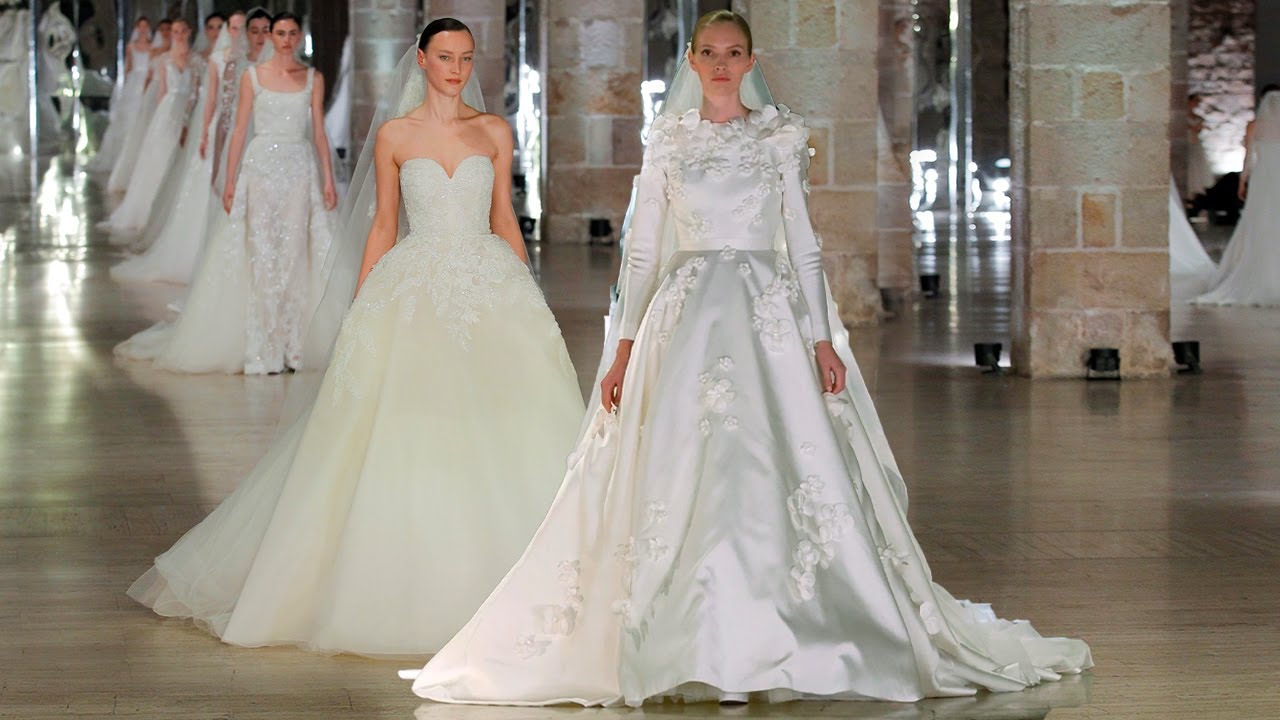
This design perspective is reflected strongly through Agaati and its approach to contemporary bridalwear. The brand focuses on refined silhouettes, elevated fabrics, graceful detailing, and craftsmanship that feels sophisticated without relying on unnecessary excess.
Bridal consultants working directly with clients often notice the same pattern during fittings. Many brides arrive with inspiration references filled with heavily embellished garments, but once they begin trying outfits in person, their priorities begin to shift. Comfort, movement, confidence, and wearability become far more important than dramatic styling alone.
A beautifully structured garment in a luxurious fabric often creates a stronger impression than excessive ornamentation. Brides naturally feel more confident when clothing moves comfortably and allows their individuality to stand out effortlessly.
Refined Bridalwear Is Replacing Overstyled Fashion
Bridal fashion was once heavily dominated by oversized silhouettes, dense embellishments, reflective embroidery, and garments designed primarily for visual attention. While these styles continue to appeal to some brides, there is a noticeable movement toward more balanced and refined dressing.
Luxury bridalwear today often feels softer, lighter, and more intentional. Sophistication is increasingly being expressed through tailoring, proportion, fabric movement, and subtle craftsmanship rather than visual overload.
Fashion professionals regularly observe that the bridal looks leaving the strongest impression are rarely the ones trying hardest to attract attention. Instead, garments with graceful draping, elegant structure, and balanced detailing often feel far more timeless.
Tonal embroidery, layered textures, contemporary cuts, softer drapes, and monochromatic styling allow bridalwear to feel luxurious without appearing overwhelming. These details create elegance that remains relevant long after short-lived trends disappear.
Fabric Selection Shapes the Entire Bridal Experience
Fabric is one of the most important aspects of bridalwear, yet it is often underestimated during the early stages of shopping. Experienced designers understand that textile quality influences comfort, movement, structure, and the overall experience of wearing a garment.
Wedding outfits are worn for extended hours across ceremonies, receptions, photography sessions, and celebrations. A garment may look visually beautiful, but if the fabric feels stiff, heavy, or uncomfortable after a few hours, the experience changes completely.
For example, pure silk provides softness and richness that photographs beautifully under different lighting conditions. Organza creates structure and volume while remaining lightweight, allowing bridal silhouettes to feel elegant without becoming restrictive. Handwoven textiles naturally add depth and texture that factory-produced materials struggle to replicate authentically.
Many brides initially focus on embroidery or silhouette, but once they begin trying garments during fittings, fabric feel often becomes the deciding factor.
The difference between thoughtfully sourced textiles and mass-produced synthetic alternatives becomes immediately noticeable through movement, breathability, and overall comfort.
Personal Style Is Influencing Bridal Fashion More Than Trends
One of the biggest changes within bridalwear today is the confidence brides have in dressing according to personal preference rather than trend pressure. Brides no longer want to look identical to every wedding aesthetic circulating online.
Some gravitate toward fluid drapes and understated detailing, while others prefer structured tailoring and sharper silhouettes. Some choose muted neutral palettes instead of traditional bridal colours, while others embrace rich jewel tones with softer embellishment.
This individuality has made bridal fashion feel far more authentic and emotionally connected.
Designers working closely with brides consistently observe that the strongest style choices happen when women focus on what genuinely suits their personality instead of chasing temporary trends. Confidence naturally becomes stronger when clothing feels aligned with the bride herself rather than performative for photographs alone.
This growing preference for individuality has also increased appreciation for customisation and personalised bridal styling. Brides want garments that feel unique to them instead of repeated versions of mass-market aesthetics.
Tailoring Creates Confidence and Comfort
Fit remains one of the defining elements of bridal elegance. Regardless of embroidery or embellishment, poor tailoring immediately affects how a garment feels and performs throughout an event.
Experienced bridal designers understand how significantly structure influences confidence, movement, and posture. Sleeve balance, drape control, shoulder placement, waist shaping, and garment proportions all contribute to how naturally bridalwear moves during ceremonies and celebrations.
Wedding events often involve extended hours of standing, walking, dancing, photography, and social interaction. Brides naturally want garments that support movement instead of restricting it.
This is why fittings remain such an important part of premium bridalwear. Bridal consultants frequently notice dramatic changes in confidence once a garment is adjusted properly to suit body proportions and movement.
A well-tailored bridal outfit allows the bride herself to stand out effortlessly rather than feeling overshadowed by the garment.
Brides Are Investing More Thoughtfully
Bridal shopping has also become far more intentional in recent years. Brides are paying closer attention to long-term value, versatility, and emotional connection rather than purchasing garments purely because they are trending online.
Many women now prefer bridalwear that can later be re-styled for receptions, anniversaries, festive occasions, or formal celebrations instead of remaining permanently stored away after the wedding.
This has encouraged stronger appreciation for timeless silhouettes, balanced detailing, and versatile construction.
Fashion professionals regularly hear brides ask practical questions during consultations. They want to know whether separates can be worn independently later, whether a dupatta can be styled differently, or whether the embroidery feels elegant enough to remain relevant years from now.
These conversations reflect a much deeper relationship with fashion than purely trend-driven shopping habits.
Craftsmanship Continues to Define Luxury Bridalwear
True craftsmanship always feels different during wear. Tailoring precision, embroidery placement, hand-finishing, textile handling, and garment balance all influence how bridalwear performs in real life.
Poorly constructed outfits often reveal themselves quickly through discomfort, imbalance, stiffness, or lack of movement. By contrast, bridalwear built with careful craftsmanship photographs beautifully, feels comfortable during extended wear, and maintains elegance naturally throughout celebrations.
Brides are becoming increasingly aware of these differences because quality construction affects confidence just as much as appearance.
Fashion houses that prioritise craftsmanship consistently build stronger emotional connections with brides because people remember how naturally and confidently they felt wearing a garment—not simply how it appeared online.
Bridal Fashion Feels More Meaningful Today
Modern bridal fashion no longer revolves around imitation or excess. Brides are choosing clothing that reflects their personality, comfort, and individuality in a far more authentic way.
They are prioritising craftsmanship over visual overload, elegance over restriction, and emotional connection over temporary trends.
The most memorable bridal looks are rarely the garments trying hardest to stand out. They are the outfits that feel graceful, refined, and genuinely connected to the bride wearing them.
That sense of authenticity is what gives bridal fashion lasting elegance long after the wedding celebration is over.